Choosing a Compass: Dial, Design and Display Guide
Compare compass form, dial, case and display, and understand why a moving needle alone does not establish navigation accuracy.
Give each compass a distinct gift role instead of filling a shelf with minor finish variations.
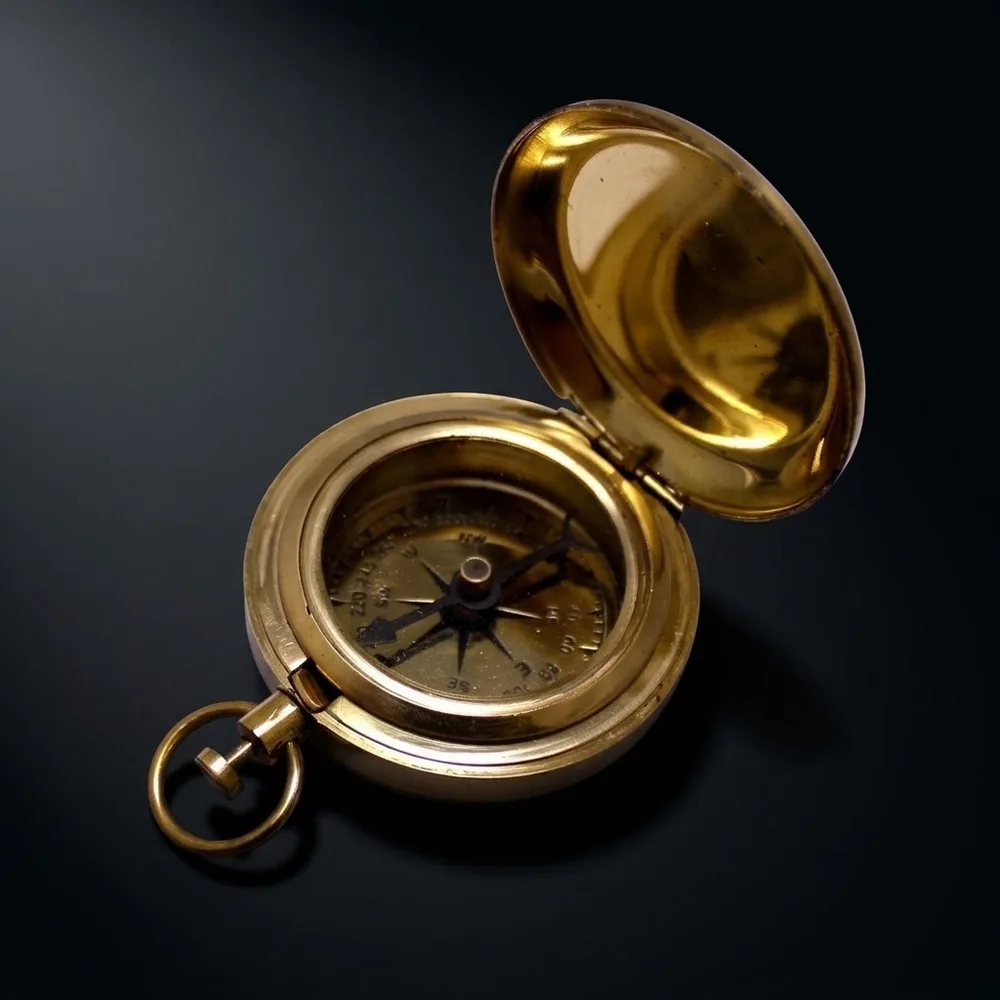
A shelf of compasses can appear varied while offering customers very little real choice. Many pieces share a round body and a brass-looking finish. The useful differences are often the opening action, message, case and story. Organise an assortment around those differences before adding more references.
Antiqula’s classic, personalised and heritage labels provide a starting vocabulary. Use them to identify possible roles, then inspect the individual models. The label does not tell you everything about the package or establish the instrument’s practical performance.
A classic compass can be the general-purpose option in the gift selection. Its appeal may lie in a simple body, an uncluttered dial or a satisfying opening mechanism. Ask what is included and how the object is stored. If there is no case, decide whether that presentation fits the intended shelf and recipient.
Do not describe the classic option as basic in a way that implies inferior quality. It may be the best choice for someone who wants the object itself to carry the meaning. Staff should be able to explain its form without inventing a story about a historical owner or expedition.
A family inscription narrows the audience while making the occasion easier to understand. A message to a son, for example, has a different role from a general quotation about travel. Group the display by relationship or occasion where that helps customers, and show the exact message clearly.
Stock messages and custom personalisation are separate offers. Before promising a customer their own inscription, confirm the method, usable area, proof, quantity requirements and timing for the chosen model. Keep the promise attached to the reference rather than to the entire category.
A heritage-themed piece may use engraving, an aged-looking finish or a form associated with older instruments. Describe the visible details accurately and call the item a contemporary reproduction. Do not convert the style label into a claim of antique provenance.
If the display tells a specific historical story, establish it through an authoritative source and a documented comparison. A generic engraved compass can still be attractive without being connected to a named ship, explorer or period. A restrained caption often feels more credible than an elaborate invented history.
| Customer question | Useful assortment difference | Avoid substituting |
|---|---|---|
| Is this a general gift? | Simple form and broadly suitable presentation | An unsupported claim of universal appeal |
| Is it for a particular person? | Confirmed relationship or message | A promise of unlimited custom text |
| Does the appearance feel historic? | Identifiable finish and design details | Antique provenance |
| How will it be given? | Confirmed case and package | Props shown only in styling photographs |
Begin with one clear option in each role, then decide whether another reference adds a meaningful difference. Several almost identical lid patterns may create more explanation work without helping a buyer decide. A larger range should still have an intelligible structure.
For each reference, prepare a short note covering form, message, case and verified functional details. Include one sentence identifying any limitation that matters to the buyer. A gift compass should not be presented as professional navigation equipment merely because its needle moves.
Review a sample with the packaging open and closed. Check that the inscription is legible and that the chosen display makes the difference visible. Ask for current order conditions rather than repeating a generic website statement about quantities or delivery.
The aim is a considered selection, not the largest possible shelf. A classic object, a clearly targeted message and a well-described heritage form can give customers three understandable choices. Add further pieces only when their differences can be explained with the same clarity.
Catalogue reference: PureX 001. Listed material: Brass.
Check the current product page and ask for model-specific dimensions, packaging and suitability before ordering.
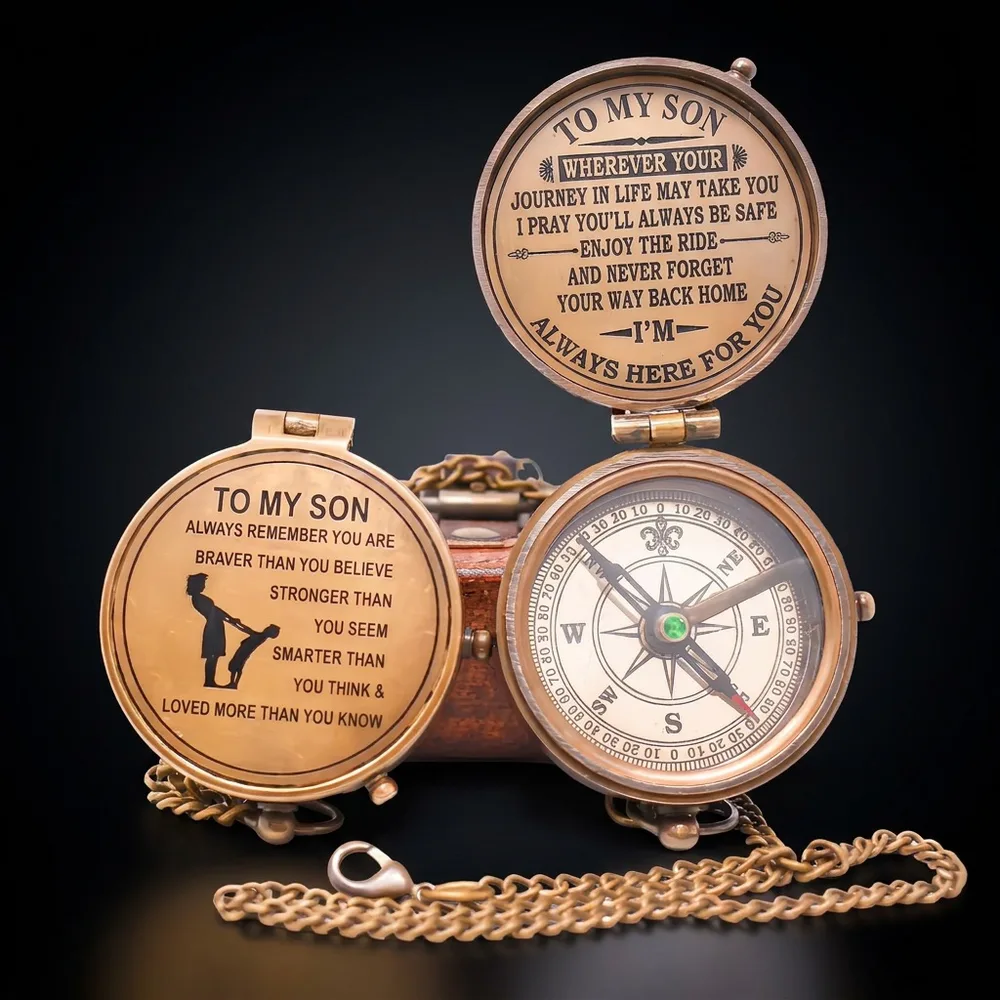
Catalogue reference: PulseX 001. Listed material: Brass.
Check the current product page and ask for model-specific dimensions, packaging and suitability before ordering.
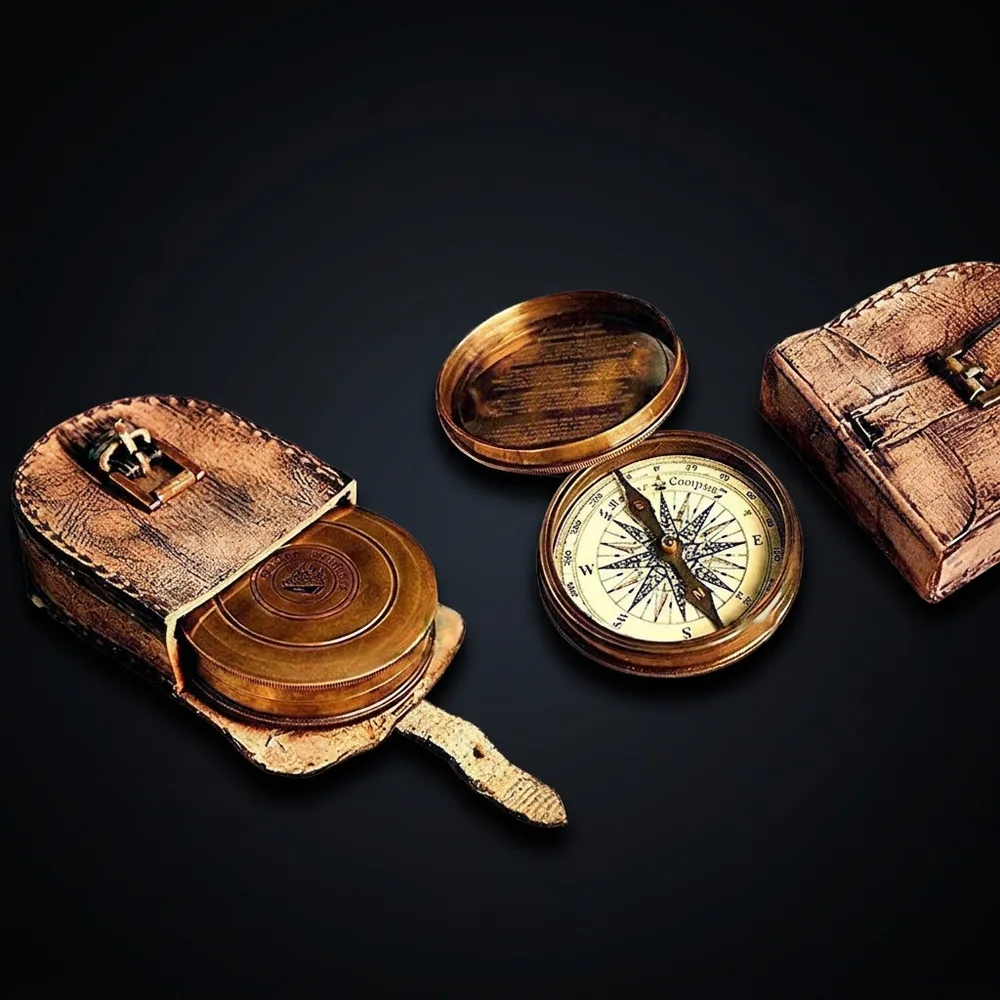
Catalogue reference: PulseX 002. Listed material: Brass.
Check the current product page and ask for model-specific dimensions, packaging and suitability before ordering.
Explore Antiqula’s compasses catalogue
Catalogue examples were checked against Antiqula’s product records on 2026-10-02. Research sources provide context; they do not certify the performance of individual catalogue products.