The Parts of a Sextant: What They Do and What to Check in a Reproduction
Use the frame, arc, arm and sighting arrangement as a guide to careful description rather than an assumption of navigational accuracy.
Look at the frame, scale, moving parts and presentation before selecting a sextant-inspired object.
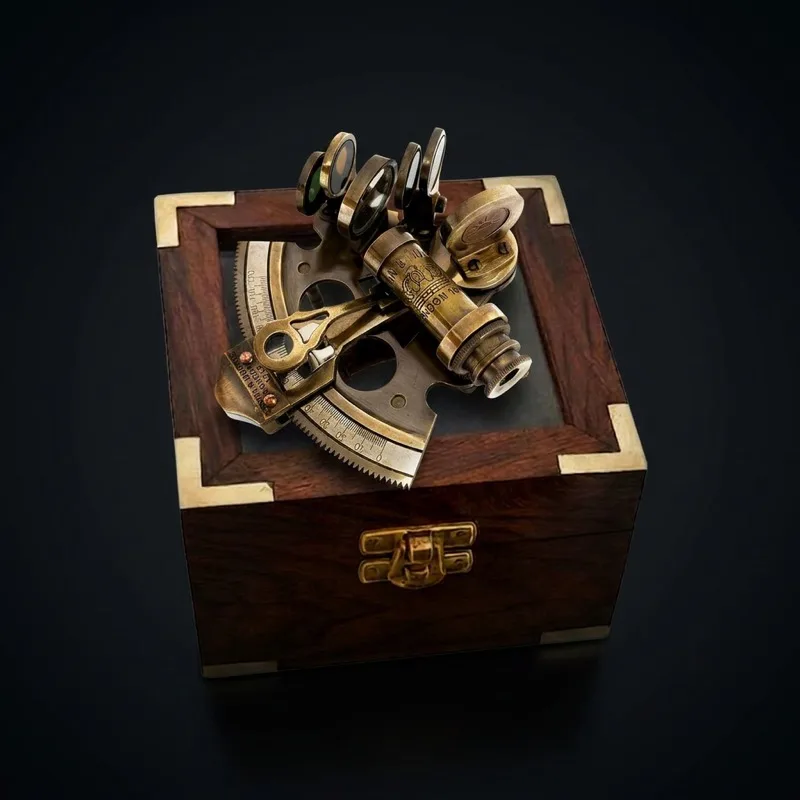
A sextant has a distinctive open frame and an arrangement of parts that invites questions. It can be an engaging object in a maritime study or a gift assortment. Its historical purpose was to measure angles, but that purpose should not be automatically transferred to a contemporary decorative reproduction. An attractive frame and engraved scale are not proof of navigational accuracy.
Antiqula’s sextant category contains several named maritime forms and presentations. Begin by selecting the visible design and intended setting. If actual measurement is part of the brief, ask for documented capabilities, setup and calibration information for the exact reference. Keep that enquiry separate from the object’s visual appeal.
For a decorative study piece, silhouette, size and base or case presentation may be the main decisions. For an educational object, clearly identifiable parts and a responsible explanation matter more. For practical navigation, appearance is insufficient: a buyer needs an instrument with established performance and appropriate operating guidance.
Write the role into the selection brief. This avoids a common problem in which a decorative object is ordered and later described by someone else as working professional equipment. A clear brief also helps determine whether the item should be handled, kept in a case or placed on a dedicated stand.
The frame gives a sextant much of its visual character. Its open shape can be displayed against a plain background so the structure is easy to see. A densely patterned background may make the instrument harder to read, especially at a distance.
Ask for overall dimensions rather than relying on a photograph of the arc alone. Include protruding parts and any stand. If the instrument rests in a fitted case, request the closed and open dimensions of the package. An open glass-top presentation may need more display clearance than expected.
A visible scale can help explain the historical idea of angular measurement. It does not establish the accuracy of a reproduction. Check whether markings are decorative or intended for readings, and ask what operating instructions are available. Fine-looking numbers should not become an unsupported sales claim.
Likewise, a moving arm is only one part of a measurement system. Alignment, mirrors, sighting arrangement and mechanical behaviour all matter in an actual instrument. If those features have not been verified together, describe the model as a reproduction rather than promising dependable angle measurements.
| Presentation | What it contributes | What to check |
|---|---|---|
| Fitted case | A contained gift and storage arrangement | Fit, closure and included components |
| Glass-top box | Visibility while the item remains contained | Reflections, lid clearance and protection |
| Open display | Clear view of the frame and parts | Stable support and handling policy |
| Compact form | Personal study or shelf scale | Dimensions and legibility at the viewing distance |
A case can be part of the object’s appeal, but do not assume every reference includes the same box. Confirm the material and package arrangement for the selected model. Props and presentation accessories in photographs should be identified separately unless they are explicitly included.
A sextant measures an angle between directions of observation. In historical celestial navigation, such observations formed part of a broader process that also required time, reference information and calculation. Avoid a caption that suggests a sextant alone tells a person their position automatically.
For a reproduction, identify visible parts only where they can be matched confidently. If a model is described with astrolabe-inspired styling, do not treat that phrase as proof that it reproduces the geometry or operation of another historical instrument. Names can be evocative; an explanation should remain precise.
Never invite visitors to sight the Sun through an unfamiliar optical arrangement. Historical instruments could include specific filters and procedures, but that context does not establish safe solar viewing for a reproduction. Keep any teaching demonstration away from direct solar observation unless appropriate specialist equipment and guidance are in place.
A sextant rewards a display that makes its open frame and scale visible. Place it at a comfortable viewing height with enough room for a caption. If the piece is in a glass-top box, check the reflection from overhead lighting. The object should remain readable without a visitor needing to lift or tilt the case.
If supervised handling is intended, request guidance about which parts may be moved and how the instrument should be held. Do not use delicate-looking components as carrying points. Keep the storage case available so the item can be returned safely after a demonstration.
Fine markings are part of the visual and educational value. Aggressive polishing can change the surface and wear detail. The Canadian Conservation Institute distinguishes cleaning from polishing and cautions against unnecessary abrasion. Ask for the model’s finish-specific care instructions before using a metal polish.
Protect the object from pressure on moving or projecting parts when it is stored. A fitted compartment should support the intended areas rather than hold the piece by a fragile component. For a retail sample, inspect the closure and padding regularly if the box is repeatedly opened.
Record the product reference, overall dimensions, presentation, included parts and intended role. Add a separate section for measurement claims and the evidence supporting them. If evidence is unavailable, leave the capability unclaimed rather than filling the gap from a historical description.
A well-chosen sextant reproduction can make a compelling display because its form invites curiosity. Give that curiosity a clear explanation and a suitable presentation. Historical interest and honest product description work well together when neither is used as a substitute for the other.
Catalogue reference: ArcX 4.0. Listed material: Brass.
Check the current product page and ask for model-specific dimensions, packaging and suitability before ordering.
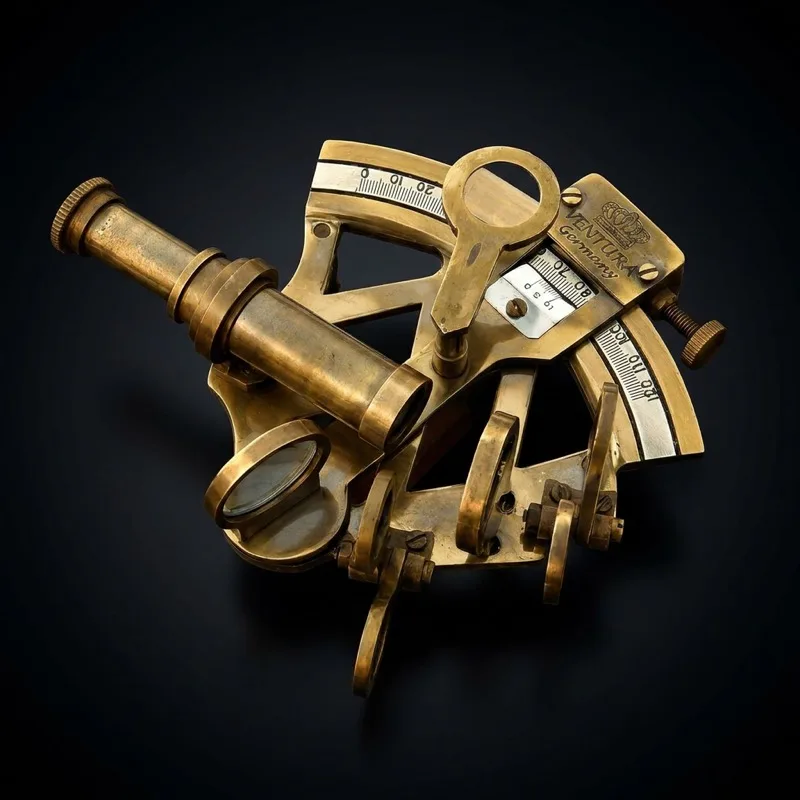
Catalogue reference: ArcX 3.0. Listed material: Brass.
Check the current product page and ask for model-specific dimensions, packaging and suitability before ordering.
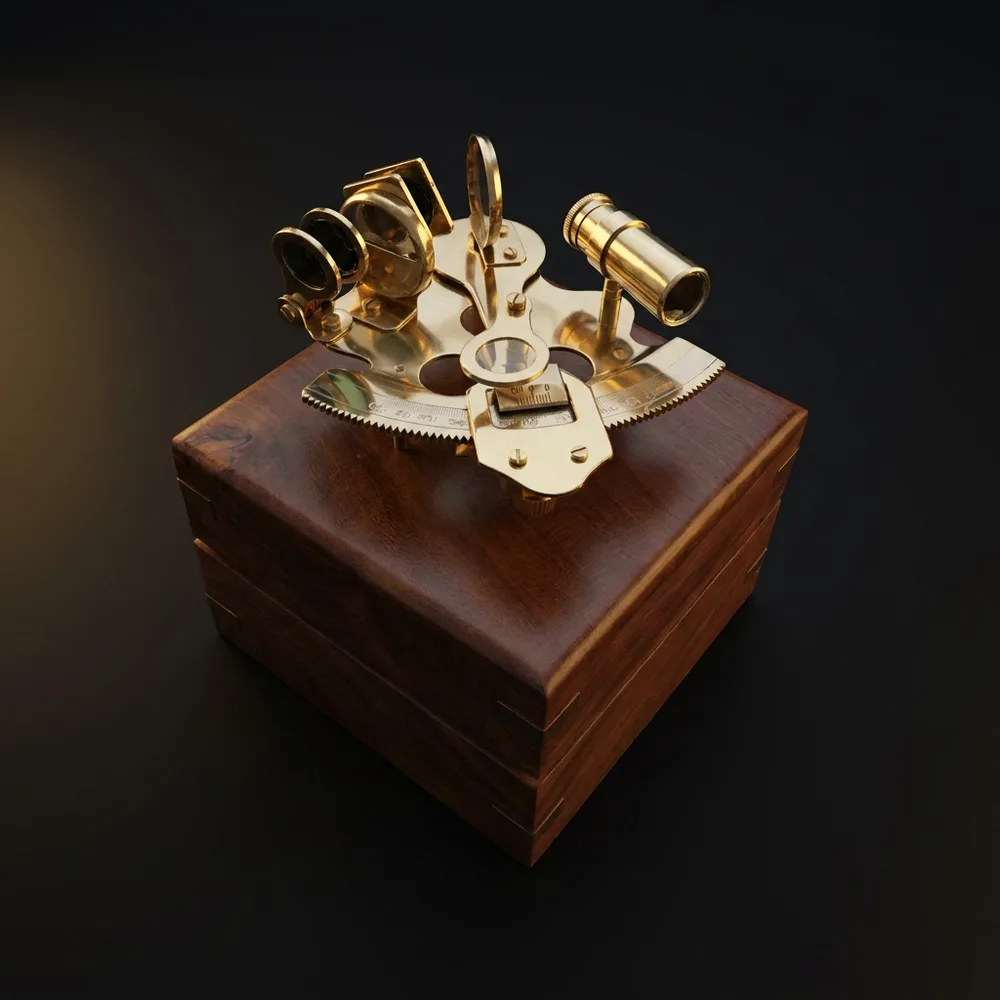
Catalogue reference: ArcX 4.1. Listed material: Brass.
Check the current product page and ask for model-specific dimensions, packaging and suitability before ordering.
Explore Antiqula’s sextants catalogue
Catalogue examples were checked against Antiqula’s product records on 2026-10-02. Research sources provide context; they do not certify the performance of individual catalogue products.